Hyperscale projects have grown more complex than the logistics systems supporting them. Equipment is larger, schedules are tighter, and the ecosystem of stakeholders is broader than ever before. Despite this, […]
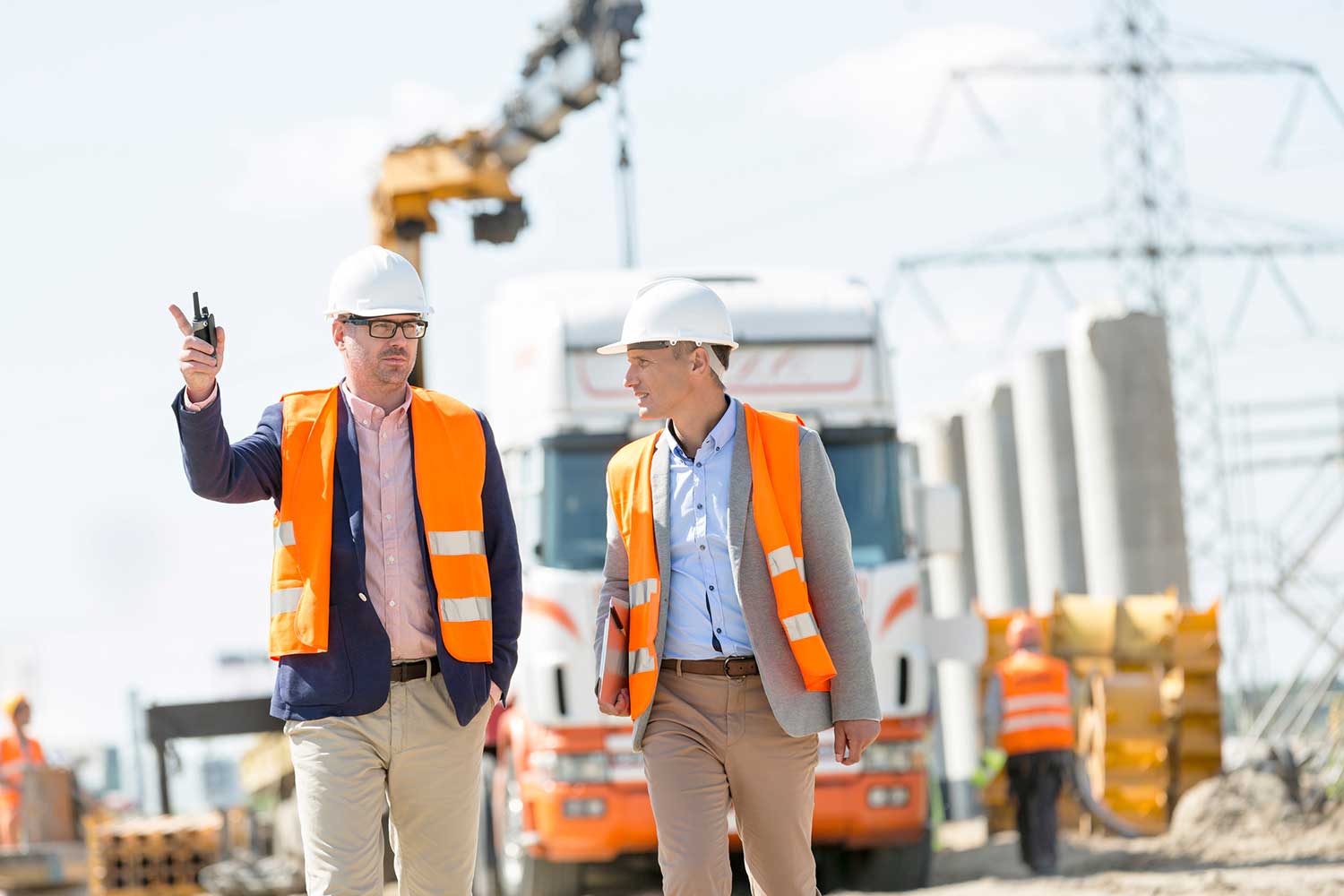
Hyperscale projects have grown more complex than the logistics systems supporting them. Equipment is larger, schedules are tighter, and the ecosystem of stakeholders is broader than ever before. Despite this, logistics is still often managed the same way it was on smaller, traditional projects.
This gap is now one of the most common sources of delay in data center construction.
To bring real structure and reliability to this environment, Stream Mission Critical has assumed a role that no one else has taken responsibility for, a role we refer to as the Logistics General Contractor, or Logistics GC.
On a construction site, the general contractor is the orchestrator. They coordinate trades, timelines, materials, and outcomes. Logistics, in contrast, is often fragmented among carriers, OEMs, site teams, and third parties who each operate independently.
This creates predictable problems. Deliveries arrive too early or too late. Equipment is staged in the wrong place. Carrier networks vary in skill and safety. Site teams are forced to react rather than execute a plan. Bottlenecks appear because no single party is accountable for the entire logistics system.
Large scale projects are too complex for logistics to remain decentralized. The Logistics GC role provided by Stream Mission Critical brings the coordination and leadership required to keep equipment and schedules in sync.
The Logistics GC functions in the same spirit as a construction GC but focused entirely on logistics. It provides sequencing, planning, oversight, communication, and problem solving for every part of equipment movement.
A Logistics GC is responsible for:
• A unified command structure for all logistics activities
• Selecting and vetting drivers/carriers to ensure safety and performance
• Designing routes and schedules that match the project’s build sequence
• Managing Stream Hyperscale Warehousing™, staging, and equipment flow
• Coordinating deliveries and confirming site readiness
• Creating contingency plans for weather, delays, and equipment changes
• Communicating daily with the owner, GC, OEMs, and carriers
Instead of dozens of disconnected actions, the Logistics GC creates one coordinated system.
The largest advantage of the Logistics GC model is predictability. When logistics is coordinated as a single discipline, projects gain structure, visibility, and control.
This approach provides:
• Consistent delivery sequencing
• Fewer disruptions to on site teams
• Lower detention costs and fewer delays
• Improved safety for crews and equipment
• Faster installation of large components
• Full visibility into the movement of every asset
• The ability to make timely, informed decisions
It restores order to an environment that is naturally chaotic.
Data centers, AI infrastructure, HAC systems, large modular power units, coolers, and high capacity electrical components require far more coordination than traditional logistics models can support. These projects often involve multiple OEMs, long lead equipment, and installation windows that cannot be missed.
The Logistics GC role gives owners, GCs, and OEMs something the industry has never clearly defined: a single partner accountable for the entire logistics ecosystem.
This is what allows large, complex projects to move with precision, even as timelines compress and scope expands.
Stream Mission Critical assumed the Logistics GC role through years of working inside the realities of hyperscale construction. Our team provides strategic planning, daily communication, on site coordination, transportation oversight, and the operational discipline required to keep every part of the logistics plan connected.
Supported by Stream Hyperscale Warehousing™, national carrier networks, and teams that understand both construction and logistics environments, we take full responsibility for the smooth and predictable flow of equipment.
As AI driven infrastructure accelerates across the United States, the industry needs a model that treats logistics as mission critical work rather than a series of independent tasks.
The Logistics GC model is that framework. It reflects the level of coordination, visibility, and accountability required to build the next generation of digital and energy infrastructure.
Stream Mission Critical is proud to assume this role and deliver the clarity and structure that modern hyperscale projects demand.
|
Share this Article



|