The Race to Move Megawatts As energy demand surges across hyperscale data centers and grid infrastructure projects, the critical challenge has shifted from power generation to power deployment. Battery Energy […]
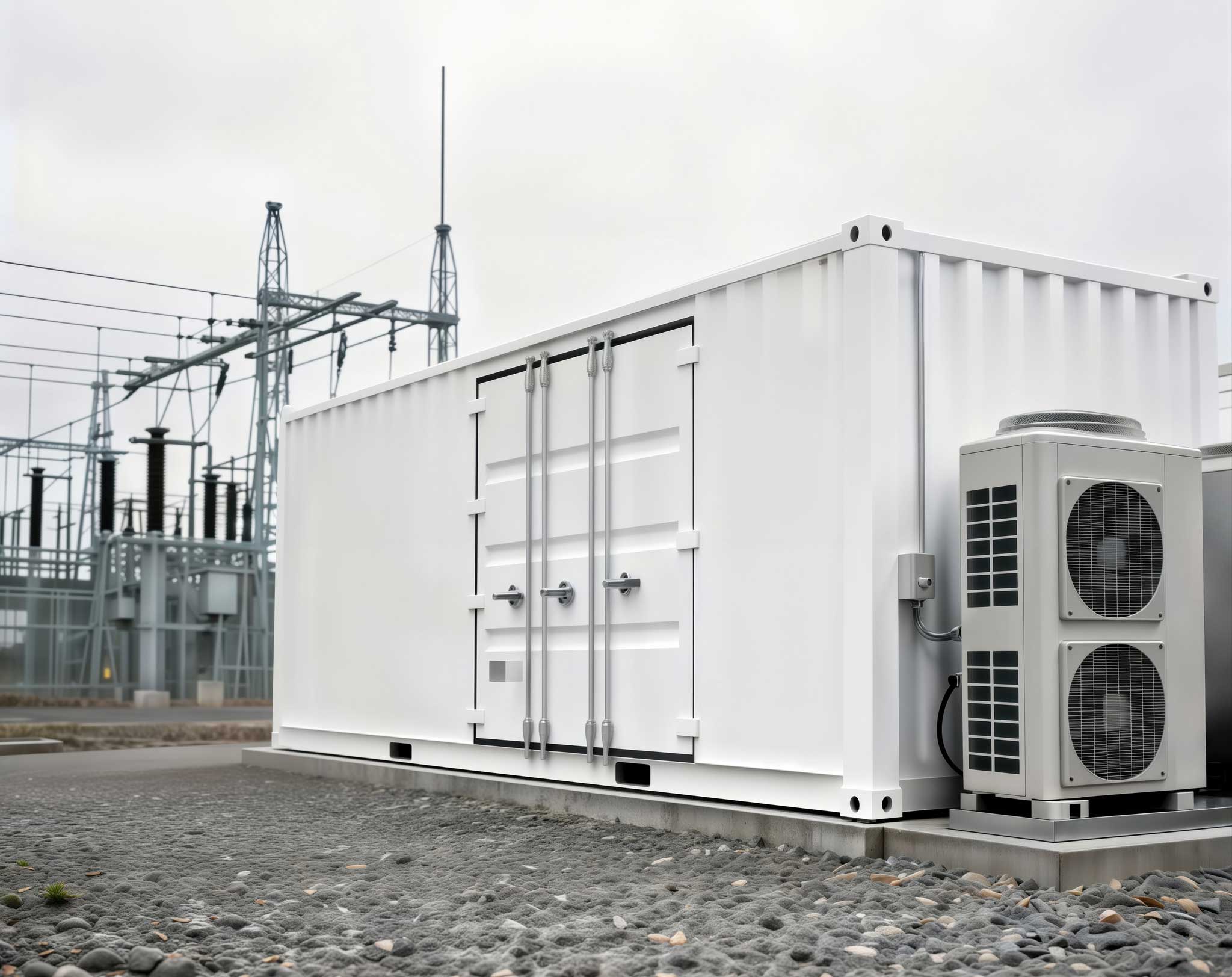
As energy demand surges across hyperscale data centers and grid infrastructure projects, the critical challenge has shifted from power generation to power deployment. Battery Energy Storage Systems (BESS), generator enclosures, and modular power skids form the backbone of today’s mission critical infrastructure. Each unit can weigh over 100,000 pounds and requires specialized handling to arrive site-ready for immediate deployment.
For general contractors, OEMs, and infrastructure developers, flawless transport is not a back-end logistics task but a mission critical phase that directly impacts project schedules and commissioning timelines. When BESS transport, generator delivery, or power skid logistics fail, the entire project timeline suffers costly delays.
Power modules represent the final components standing between a completed construction site and an energized, operational system. Despite their critical importance, transport delays remain common due to oversize permit complications, weather restrictions, or equipment sequencing gaps that create bottlenecks in the installation process.
Successful speed to deployment starts with strategic logistics planning. When heavy power equipment loads are engineered for transport during the design phase, every downstream activity accelerates. This includes crane mobilization, site staging, foundation interface, and final commissioning activities. Early logistics integration transforms transport from a potential bottleneck into a project accelerator.
BESS transport planning, generator delivery scheduling, power skid logistics coordination, and hyperscale deployment timeline management all require specialized expertise that goes beyond standard freight services.
Mission critical power equipment transport begins long before the first truck departs the manufacturing facility. Professional logistics partners engineer every aspect of the journey to ensure safe, on-time delivery.
Each oversize power equipment move requires DOT-approved transportation routes, comprehensive bridge clearance studies, and precise turn radius modeling. Route engineers must account for overhead obstacles, weight restrictions, and seasonal road limitations that could delay delivery.
Correct center of gravity calculations protect sensitive battery systems, switchgear components, and vibration-sensitive power electronics. Improper load configuration can damage equipment worth millions of dollars and void manufacturer warranties.
Working directly with site install teams ensures power modules arrive in proper installation order rather than all simultaneously. This coordination prevents site congestion, reduces lay-down area requirements, and maintains construction workflow efficiency.
Hydraulic jack-lift systems and specialized equipment like Field Lift Pro often replace traditional crane operations, reducing equipment dependency and minimizing weather-related downtime. These systems provide faster, more flexible off-loading capabilities for modular BESS containers and skid-mounted generator sets.
Factory-to-field logistics, oversize load transport coordination, and heavy equipment delivery planning require integration with manufacturing schedules and site readiness assessments.
Traditional flatbed trailers cannot safely or efficiently handle mission critical power equipment. Specialized trailers designed for heavy, oversized loads are essential for successful BESS and generator transport.
Double-drop trailers lower the deck height to accommodate tall generator enclosures and BESS containers while maintaining legal height limits. Perimeter trailers distribute weight across more axles for extremely heavy power skids. RGN (Removable Gooseneck) trailers provide low loading angles and enhanced stability for irregularly shaped equipment.
In remote locations or sites with uneven terrain, hydraulic lift systems provide faster and safer alternatives to crane off-loads. These systems are particularly valuable for modular BESS containers and skid-mounted generator sets that require precise positioning on prepared foundations.
BESS transport trailers, RGN trailers for power skids, and hydraulic lift alternatives represent specialized equipment investments that separate professional mission critical logistics providers from standard freight carriers.
Every oversize power equipment shipment introduces significant risks including equipment damage, route restrictions, permitting delays, or site access complications. Effective risk mitigation requires comprehensive control of schedule, sequencing, and site conditions.
Pre-delivery site surveys identify potential off-load conflicts, access restrictions, and staging area constraints before trucks arrive. Detailed lay-down planning ensures adequate space for equipment positioning and prevents costly delays.
Strategic delivery timing keeps power components moving through the construction process without overcrowding limited staging areas. This approach reduces exposure to weather damage and site congestion while maintaining installation sequence.
In large-scale power infrastructure and hyperscale data center projects, logistics has evolved from a simple line item to a strategic function that impacts overall project success. Manufacturers and contractors who integrate specialized logistics partners early in the project lifecycle achieve measurable benefits.
Early logistics integration reduces crane rental costs by optimizing lift schedules and equipment utilization. It prevents costly rework by ensuring equipment arrives undamaged and ready for immediate installation. Most importantly, it maintains critical project momentum during the final construction phases when schedule pressure is highest.
Professional mission critical logistics partners work directly with engineering teams to design transport strategies that deliver precision, reliability, and uptime assurance. This collaborative approach treats logistics as an engineering discipline rather than a transactional service.
EPC logistics partnerships, hyperscale logistics services, and mission critical transport solutions require providers who understand power system dependencies, site constraints, and commissioning requirements.
Moving megawatts requires more than trucks and drivers. It demands foresight, coordination, and flawless execution at every stage. When every load is oversized, high-value, and on the critical path, logistics becomes a core engineering function that directly impacts project outcomes.
The faster and safer your BESS systems, generator sets, and power skid shipments arrive site-ready, the faster your project delivers power to the grid and stays ahead of surging demand. In today’s competitive energy infrastructure market, logistics excellence is not optional but essential for project success.
Stream Mission Critical specializes in mission critical power equipment transport for hyperscale data centers, utility-scale energy storage projects, and grid infrastructure builds. Our team engineers custom logistics solutions tailored to your project’s unique requirements, timeline constraints, and site conditions.
With extensive experience moving BESS systems, generator sets, and modular power skids, we understand the precision and coordination required to keep your project on schedule. Our comprehensive approach integrates route engineering, specialized equipment, sequenced delivery, and risk mitigation to eliminate transport bottlenecks.
Ready to accelerate your power infrastructure deployment? Contact Stream Mission Critical today to discuss your project requirements or schedule a consultation. Visit us at https://streammissioncritical.com/contact/ to learn how our logistics expertise can keep your megawatt-scale project moving forward.
|
Share this Article




|